 English
So you're planning an event in Malaysia and thinking about renting an LED screen? Trust me, you're not alone. With the growing demand for dynamic visual displays at everything from weddings to corporate conferences, LED screen rental has become a hot topic. But with so many options out there, how do you even begin to choose? I've been through this process multiple times, and let me tell you, it's not as straightforward as just picking the biggest screen you can find.
The first thing that trips people up is understanding what they actually need. I've seen folks blow their budget on a massive outdoor screen when a smaller indoor unit would've done the job perfectly. The key is to ask yourself some basic questions right at the start. Is your event indoors or outdoors? How many people need to see the screen? What's the viewing distance? These might seem like simple considerations, but you'd be surprised how many people overlook them .
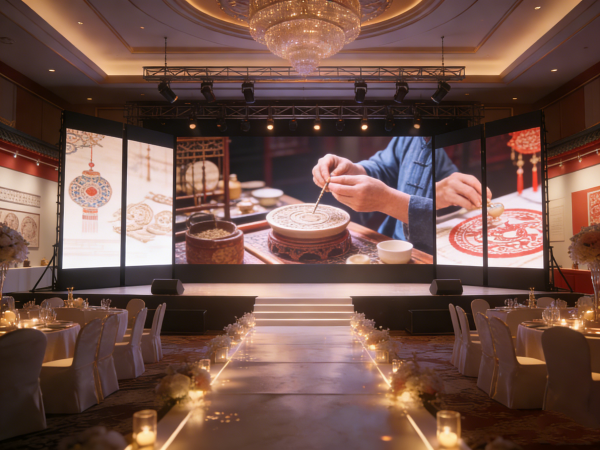
LED screens aren't one-size-fits-all - that's the first lesson I learned the hard way. There are indoor screens that work great for conferences and weddings, outdoor screens built to withstand weather conditions, curved screens for immersive experiences, and even transparent screens for retail environments. Each type serves a different purpose, and choosing the wrong one can really affect your event's impact. I remember for our first product launch, we went with a standard indoor screen when we should've opted for a higher brightness model - the visuals looked washed out under venue lighting .
When it comes to pricing, things can get confusing real quick. Most suppliers in Malaysia calculate costs per square meter, with Day 1 typically costing more than subsequent days. Based on current rates, you might be looking at approximately RM 300 per square meter for the first day and RM 150 for each additional day. But this can vary depending on the pixel pitch and screen quality. Some companies offer package deals that include technical support and setup, which can actually save you money compared to piecing everything together separately .
Here's a quick breakdown of common sizes and their best uses that I've compiled from experience:
The audience size really determines what you need - for under 100 people, a 6x9 ft screen might suffice, while 300+ attendees would require something like an 18x10 ft display. I've found that P3 LED screens work well for most scenarios since they're versatile and offer good clarity from 3-10 meters away. What many people don't realize is that the content quality matters as much as the screen itself. You can have the best LED screen available, but if your videos are low resolution, the result will still be disappointing .
One question I get asked a lot is - should you even rent instead of buying? Well, if you're hosting multiple events throughout the year, purchasing might make financial sense long-term. But for most of us who need screens occasionally, renting is way more practical. You don't have to worry about storage, maintenance, or technology becoming obsolete. I've found that unless you're using an LED screen at least monthly, renting is the smarter choice financially. The flexibility is another plus - you can get different sizes for different events rather than being stuck with one permanent screen .
Working with suppliers requires some due diligence - not all companies provide the same level of service. From my experience, the better ones like CK Event Management and HDAV offer complete packages that include technicians, setup, and dismantling. This is crucial because even the best equipment can have issues during events. Having a technician on standby has saved me multiple times when we had last-minute content changes or connectivity problems. I always recommend choosing suppliers with good track records and clear communication channels .
The technical aspects might seem daunting at first, but they're actually pretty straightforward once you understand the basics. Pixel pitch (the distance between LED clusters) affects image clarity - smaller numbers like P2 or P3 mean higher resolution suitable for closer viewing. Refresh rate determines how smooth motion appears, which is vital for video content. Brightness is measured in nits - outdoor screens need higher brightness (5000+ nits) to combat sunlight, while indoor screens can work with less. These specifications might sound technical, but any good rental company will guide you based on your specific needs .
What surprises many first-time renters is the importance of proper installation. I've seen events where the screen was perfect but the setup was shaky - literally. The mounting structure needs to be secure, cables should be properly managed, and there should be adequate ventilation around the screen. Professional installers will also consider sightlines and viewing angles to ensure everyone in the audience has a clear view. This is why I always insist on working with suppliers who handle installation rather than trying to DIY it .
Content management is another area where people often underestimate the requirements. You need to consider how you'll get content to the screen - HDMI cables, wireless transmission, or media players. Also think about who will operate the screen during the event. Most rental companies provide basic operation support, but if you have complex cues or multiple content sources, you might need a dedicated operator. I've found that testing all equipment and content thoroughly before the event saves everyone from last-minute panic .
The timing of your booking can affect availability and pricing too. During peak seasons like year-end holidays or major festival periods, the good screens get booked up quickly. I usually recommend reserving at least 2-3 weeks in advance, though for larger events, a month's notice is safer. Some companies offer better rates for off-peak periods or longer rentals, so it's worth discussing your timeline with them. Last-minute bookings are possible but your options will be limited, and you might pay a premium .
Weather protection is something many forget until it's too late. For outdoor events, even if the forecast looks clear, having rain covers or choosing waterproof screens is essential. I learned this the hard way during an outdoor festival where unexpected drizzle nearly ruined our equipment. Now I always confirm that outdoor screens have at least IP65 rating for water and dust resistance. The supplier should also have contingency plans for adverse weather, like temporary covers or safe shutdown procedures .
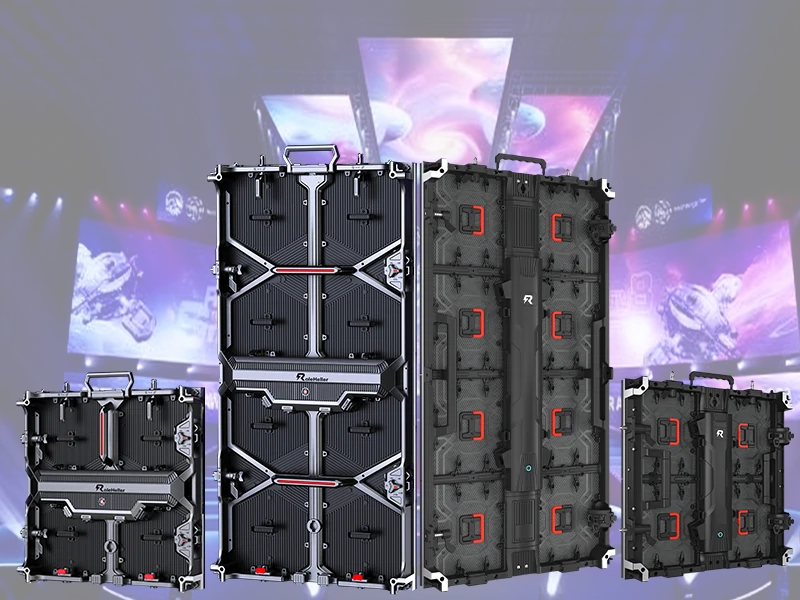
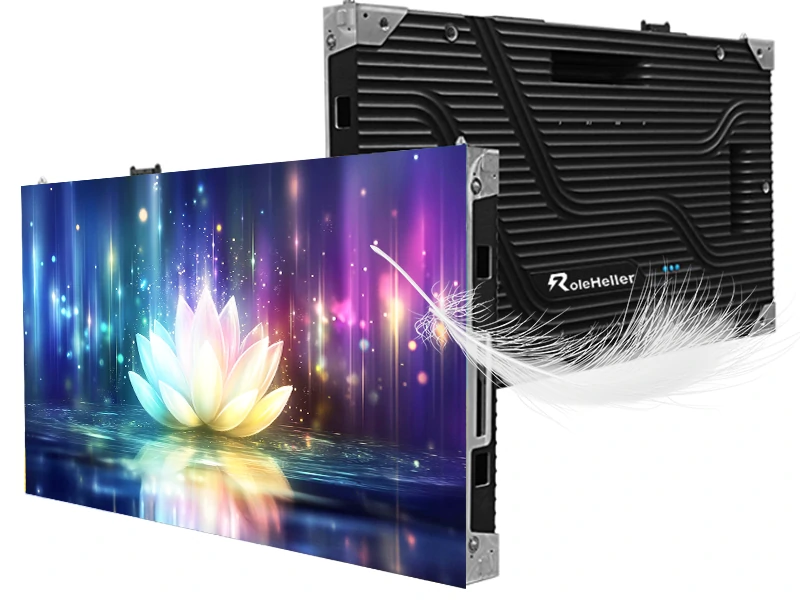
Brands like RoleHeller have entered the Malaysian market with interesting options, especially for high-end events. While local suppliers dominate the rental scene, international brands sometimes offer newer technology or specific features that might suit specialized needs. However, I've found that local companies often provide better support and faster response times since they're physically present in Malaysia. It's worth comparing what different providers bring to the table rather than automatically going with the biggest name .
The rental agreement should cover all important aspects - delivery times, setup duration, technical support hours, liability for damages, and cancellation policies. Read the fine print carefully, especially regarding what happens if equipment fails during your event. Reputable companies will have spare modules on site and backup plans to minimize downtime. I always make sure there's a clear point of contact who can make decisions if issues arise during the event .
Looking at the Malaysian market specifically, there are regional considerations too. Suppliers in Kuala Lumpur and Selangor might have more inventory options, but companies in Penang or Johor Bahru could offer better rates for local events. Transportation costs can add up if you're bringing screens from far away, so working with a regional supplier sometimes makes more sense economically. I've had good experiences with both local and national suppliers - it really depends on the specific event requirements .
At the end of the day, successful LED screen rental comes down to planning and communication. Start early, be clear about your needs, choose a reliable supplier, and test everything beforehand. The technology has become more accessible and affordable in recent years, making professional-quality visuals achievable for events of all sizes. What matters most is how well the screen serves your event's purpose rather than just getting the biggest or most expensive option available.
Frequently Asked Questions
What's the typical cost range for LED screen rental in Malaysia?
Daily rates can range from RM 800 to RM 5,000 depending on screen size, quality, and rental duration, with additional costs for technical support and transportation.
How far in advance should I book an LED screen for my event?
It's advisable to book at least 2-3 weeks in advance, though during peak seasons, a month's notice is safer to ensure availability.
Can LED screens be used in bright outdoor conditions?
Yes, outdoor-specific screens have higher brightness (5000+ nits) and weatherproofing, but they cost more than indoor models.
What's included in a typical rental package?
Most packages include the LED panels, basic setup, and dismantling. Technical support, transportation, and extra cables may involve additional costs.
How do I determine the right screen size for my event?
Consider audience size and viewing distance - for under 100 people, 6x9 ft may suffice, while 300+ attendees might need 18x10 ft or larger.
.jpg "China LED Display Panel Manufacturers | Real Factory Guide")